
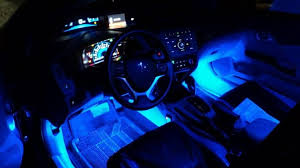
The growing popularity of LED light strips for cars isn’t just a passing trend—it’s a full-blown automotive revolution. Car enthusiasts around the world are turning to these glowing accessories to add a stylish touch to their rides, whether for underglow effects, dashboard ambiance, or illuminated interiors. However, before you rush to install them in your vehicle, there are several things you need to know to ensure your lighting upgrade is both safe and legal.
Just like any customization, it’s not just about aesthetics. Lighting directly impacts visibility, safety, battery performance, and even legal compliance in certain regions. If installed improperly, those cool-looking strips can become a driving hazard, attract unwanted legal attention, or even drain your car’s battery unexpectedly. That’s why it’s important to approach this installation with both creativity and caution.
Interestingly, this same intersection of style and practicality can be seen in other tech trends—take led light strips for cars for example. While they choose wearable devices for health tracking and tech features, they also consider how it fits into their fashion, routines, and comfort. Similarly, LED lighting in a car isn’t just about looking good—it’s about enhancing the experience with function, safety, and convenience.
Understanding the Different Types of LED Light Strips
Before jumping into installation, you’ll want to familiarize yourself with the different kinds of led light strips for cars available for automotive use. These strips come in a variety of shapes, sizes, and features, each suitable for different parts of the car. Some are rigid, others are flexible; some are waterproof, and others are designed strictly for interior use.
For example, waterproof and impact-resistant strips are ideal for underbody installations, where they’re exposed to debris, rain, or road grime. On the other hand, softer, dimmable LED strips are better for interior use like footwells or dashboards. Knowing the purpose of each type of strip ensures you pick the right product for your intended use.
Know the Law Before You Light Up
One of the most overlooked aspects of installing LED strips is legal compliance. Each country—and sometimes even states or provinces—have specific rules regarding vehicle lighting. In many places, the use of certain colors like red, blue, or flashing lights on the exterior is reserved exclusively for emergency vehicles.
Installing illegal lighting can lead to traffic citations, vehicle inspections, or even having your car impounded in extreme cases. It’s important to consult your local transportation authority or government website to understand which colors and placements are allowed. Legal customization is cool; illegal lighting is not worth the headache.
Power Source and Battery Load Considerations
LED lights are generally energy-efficient, but that doesn’t mean you can install as many strips as you want without considering your car’s electrical load. Connecting too many high-powered strips to a single fuse or drawing power from the wrong circuit can lead to short-circuiting, blown fuses, or even fires in rare cases.
It’s essential to plan out how your LED setup will be powered. Some opt to wire them directly into the fuse box with a proper relay and switch, while others use cigarette lighter adapters or USB power. Regardless of your choice, always ensure that your vehicle’s battery and alternator can handle the additional demand.
DIY Installation vs. Professional Help
Many car owners opt for a DIY approach when installing LED light strips because it seems simple at first glance. Peel, stick, connect—that’s the idea. However, depending on your setup, it may involve soldering, routing wires through tight areas, or integrating with existing electrical systems.
If you’re unfamiliar with car electronics, hiring a professional installer might be a smarter investment. They’ll ensure your installation is secure, functional, and legally compliant. A poorly installed lighting system can rattle loose, flicker, or even cause electrical issues down the line. A neat, well-done install makes all the difference—visually and functionally.
Think About the Aesthetic Impact
One of the most exciting parts of installing LED lights is choosing your color scheme, brightness level, and location. However, more isn’t always better. A car decked out in multi-colored, flashing lights might turn heads—but not always in a good way. Tasteful, well-placed lighting can elevate your vehicle’s style. Over-the-top displays, especially on the exterior, can appear tacky or unprofessional.
Think of your car as a canvas. The lighting should complement the design, not overwhelm it. Subtle interior lights in matching or contrasting tones can create a luxury feel. Soft underglow adds a futuristic touch without screaming for attention. As with fashion, confidence often lies in the details.
Managing Visibility and Distraction
While lights can enhance visibility and make driving more enjoyable, they can also become distractions if used incorrectly. Bright, flashing, or color-shifting LEDs inside the cabin can reflect off windows, mirrors, and dashboards, making it hard to see the road at night.
That’s why it’s essential to keep brightness levels modest, especially for interior strips. If your LED setup has a dimmer switch or remote control, even better—you can adjust the lights for different times of day or driving conditions. Prioritize visibility and comfort over theatrics, especially when behind the wheel.
Syncing With Other Vehicle Features
Some advanced LED kits now allow users to integrate lighting with audio systems, GPS, or even climate control. Lights that pulse with the beat of your music or change color with your speed can turn an ordinary car into a high-tech experience.
This type of integration is perfect for tech-savvy drivers who want a futuristic feel. However, these features often require more complex installation and may affect your car’s electronics if not done properly. Ensure your system is compatible with your vehicle’s wiring and control interface before buying.
Weather and Durability Concerns
Cars face a lot of tough conditions—heat, moisture, dust, and vibration. LED light strips that work fine in your garage may not survive six months on the open road unless they’re designed for automotive use. Look for strips with strong adhesive backing, weatherproof casings, and shock resistance.
Temperature resistance is especially important in regions with extreme climates. Heat can weaken adhesives, while cold weather can make strips brittle. Buying quality components will save you the hassle of frequent replacements or maintenance.
Remote and App Controls: Convenience Meets Customization
One of the best innovations in modern LED kits is the ability to control lights remotely via smartphone apps or wireless remotes. These tools let you change color, brightness, patterns, and even set schedules—all from your phone.
App control is a big win for personalization. You can create presets for different moods: one for night drives, another for showing off at car meets, and a calmer one for family trips. Just like smart watch women use their mobile apps to switch between fitness modes or watch faces, you too can alter your car’s personality with just a tap.
Don’t Overlook the Clean Installation
When it comes to LED strip installation, presentation matters. Wires dangling from your dashboard or unevenly placed strips ruin the clean look you’re going for. Take time to tuck wires behind panels, secure strips along straight lines, and double-check placement before sticking anything down permanently.
Clean installations not only look better—they’re safer. Hidden wires are less likely to be kicked, pinched, or snagged. A neat layout also makes it easier to troubleshoot problems later on if something stops working.
Know When to Use a Switch
Even if your LED lights are connected to the ignition circuit, it’s still a good idea to install a dedicated on/off switch. This gives you full control and lets you kill the power in case of electrical issues. In addition, you won’t need to rely solely on the app or remote, which could fail or lose connection.
Some switches are even built into attractive toggle panels, adding a high-performance feel to your dashboard. It’s a small addition that greatly enhances usability and peace of mind.
Preparing for Long-Term Maintenance
Like any electronic accessory, LED light strips require occasional maintenance. Over time, adhesive may peel, connections can loosen, and dirt may affect brightness. Choosing high-quality strips with replaceable parts or modular designs will save time and money in the long run.
It’s also worth checking your strips every few months, especially those installed on the exterior. A five-minute inspection can help you catch problems before they become serious or dangerous.
Conclusion: Light the Road With Purpose and Personality
So, what should you know before installing LED light strips for cars? In short, you need to understand your lighting options, legal limitations, electrical considerations, and long-term responsibilities. While LED lights offer exciting opportunities for personal expression, they come with practical challenges that deserve your attention.
Done right, LED lighting can completely transform your car. It creates a customized atmosphere, improves nighttime visibility, and turns a basic commute into an enjoyable experience. But like any good project, the magic is in the preparation. Know the laws. Choose quality products. Plan your power supply. Install with care.
