
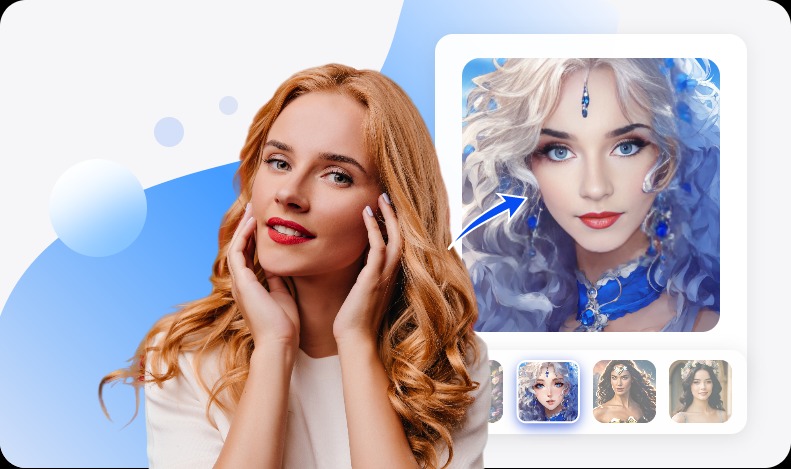
In recent years, face swap technology has become one of the most fascinating and entertaining developments in the world of artificial intelligence (AI) and digital editing. Whether you want to make hilarious videos with your friends, test how you’d look as a movie character, or create realistic video content for marketing, the video face swap trend offers endless possibilities. What began as a simple photo-editing experiment has now evolved into an advanced tool powered by AI and deep learning.
What Is Face Swap Technology?
Face swap refers to the process of digitally exchanging faces between two people in an image or video. The technology identifies facial features such as eyes, nose, mouth, and expressions, then seamlessly maps them onto another person’s face. The result can be both entertaining and realistic, depending on the quality of the software used.
While early face swap tools relied on basic image recognition, modern systems use AI-driven neural networks that analyze facial structure, lighting, skin tone, and even emotions. This enables the software to produce a natural-looking result that blends smoothly with the target video.
The Rise of Video Face Swap Tools
In the beginning, face swapping was mostly limited to still photos. But with advances in AI, especially deepfake technology, video face swap has become more common and accessible. These tools now allow users to replace faces in real-time videos or pre-recorded clips, maintaining accurate lip movements and expressions.
Apps like Reface, DeepFaceLab, and FaceMagic have popularized this trend, allowing users to swap their faces with celebrities, fictional characters, or friends in movies, TV shows, and short clips. What used to require advanced editing software can now be done within seconds on a smartphone.
How Does Video Face Swap Work?
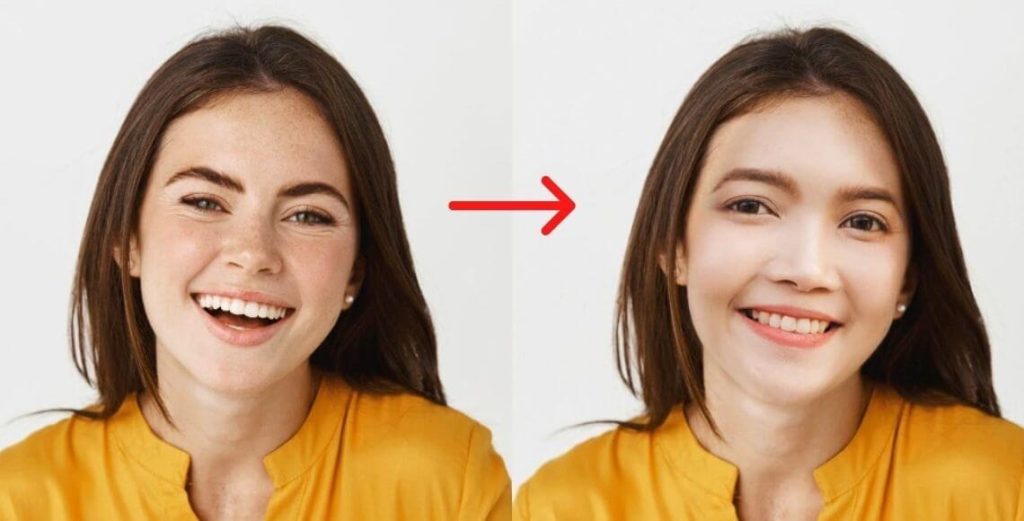
The process involves several sophisticated steps, often powered by AI and deep learning models:
- Face Detection: The software first identifies and isolates the faces in both the source and target videos.
- Feature Mapping: Key facial features are marked and aligned, including eyes, lips, and jawline.
- AI Training: The AI analyzes hundreds of frames to understand lighting, angles, and expressions.
- Face Replacement: Using the gathered data, the system swaps the face in every frame of the video.
- Rendering and Smoothing: The final output is processed to make the transition seamless, removing any inconsistencies or glitches.
The result is a smooth and convincing video face swap that looks natural and engaging.
Creative Uses of Face Swap
Face swap tools have become a favorite for content creators, marketers, and entertainment enthusiasts. Here are a few popular uses:
- Entertainment and Humor: Social media users love creating funny videos by swapping faces with celebrities, friends, or even pets.
- Movie and TV Edits: Fans can reimagine scenes by placing themselves or others in iconic movie moments.
- Marketing and Branding: Businesses use face swap technology to create engaging campaigns featuring customers or influencers in product demos.
- Virtual Try-Ons: Some fashion and makeup brands use face swapping for virtual trials, allowing customers to “see” products on their faces.
Advantages of Face Swap Technology
- Ease of Use: Modern face swap apps are designed for everyone—no editing skills required.
- Creativity and Engagement: They allow users to express creativity and make interactive, personalized content.
- Realistic Output: AI-based systems create lifelike results that mimic real facial movements.
- Speed and Accessibility: With mobile apps, anyone can perform high-quality video face swaps in seconds.
Ethical Considerations
While face swap technology offers entertainment and innovation, it also comes with ethical challenges. When misused, it can lead to privacy violations, misinformation, or even identity manipulation. Deepfake videos, for instance, have sparked debates over authenticity and consent.
To use this technology responsibly:
- Always obtain permission before using someone else’s face.
- Avoid creating misleading or harmful content.
- Use face swap tools for fun, creative, or educational purposes rather than deception.
Developers are also incorporating watermarking and detection systems to identify manipulated videos and prevent unethical usage.
The Future of Face Swap Technology
The future of video face swap looks even more exciting. As AI continues to evolve, we can expect tools with improved realism, faster processing, and even real-time editing during live streams. Soon, users may be able to customize digital avatars for virtual meetings, games, and movies, creating a fully personalized media experience.
Moreover, industries like film production, advertising, and virtual reality are increasingly adopting face swap technology to save time and expand creative possibilities. Instead of reshooting scenes, editors can now replace faces or adjust expressions using AI, reducing production costs significantly.
Conclusion
The face swap revolution has transformed how we interact with digital media. From fun social media clips to professional video editing, video face swap technology combines creativity and AI innovation like never before. As long as it’s used responsibly, this technology has the potential to redefine storytelling, entertainment, and communication in the digital era.
Whether you’re just exploring for fun or aiming to produce creative video content, face swap tools open the door to a whole new world of imagination and expression.
