
Dental science has come a long way since our ancestors would just patch up cracked or broken teeth. Restorative treatment today is oftentimes more involved, developing solutions that adapt to the focused need of function and aesthetics in each individual patient. Perhaps the biggest milestone in our field has been dental implants, which have revolutionised the way we replace missing teeth. Implants will be at the heart of shaping the future of personalised restorative dentistry as technology advances.
Robust History Of Dental Implant Technology
Not only can missing teeth harm how the teeth appear. They can affect the speech, ability to chew food efficiently, facial structure and general self-esteem. For many years, traditional methods for tooth replacement have helped patients; however, due to the unique benefits that dental implants provide, they are often a preferred option in many circumstances.
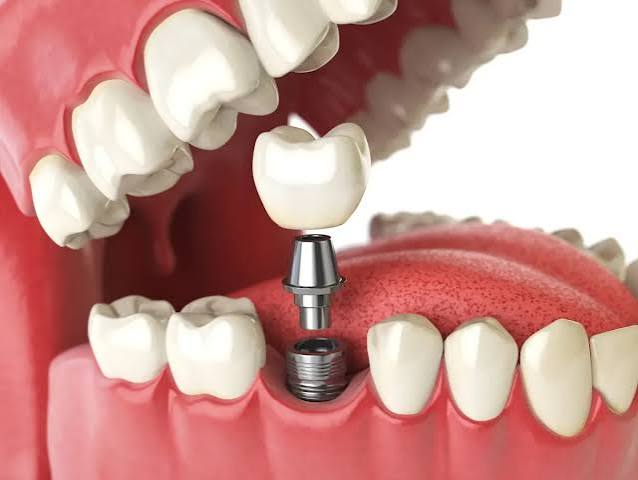
Implants serve as more artificial tooth roots than removables do. They provide a secure base for crowns, bridges or full-arch restorations. The stability of the implants also supports your natural chewing function, as well as preserving the jawbone (which can slowly deteriorate after tooth loss).
Implants have been such a landmark in restorative dentistry due to their potential to provide an incredibly anatomically accurate replacement for missing teeth.
Advanced Technology Supporting Better Outcomes
Personal & predictive Technology is paving the way for diagnostics in future. The integration of digital imaging, three-dimensional scanning and computer-guided treatment planning permits clinicians to assess oral structures with unparalleled precision.
Specialists at Sydney Dental Implants are trained on new diagnostic tools to better assess individual needs in order to create treatment strategies based on formulas that promote predictable outcomes. These technologies improve the accuracy of planning and placement while ensuring increased patient comfort during treatment.
Since digital workflows help to create restorations that mimic the surrounding teeth in a more precise manner, they aid natural appearance and better functioning.
Personalised Treatment Planning
This is one of the great advantages of modern implant dentistry, that we are able to develop very individual treatment plans. Impacts of Bone density, gum health, age, lifestyle habits and other oral health-related conditions on treatment Recommendations.
While some patients might need as few as one implant to replace only one tooth, countless others never miss an opportunity to advance toward more comprehensive restorative solutions. Condition-centred planning makes certain that everything regarding treatment is created around the construct of matchmaking.
This personalised method contributes to enhancing immediate satisfaction as well as enduring treatment accomplishment.
Enhancing Patient Experience Through Innovation
Today, more than ever before in the practice of dentistry, patient experience is at the forefront. Innovations in implant procedures are not only reducing the complexity of treatments but also improving comfort and efficiency.
Digital planning software helps the patient comprehend their treatment journey before starting procedures. Visualising simulations can enable people to identify possible consequences and prospects to make decisions about their care.
Research is also benefiting from advances in materials. The parts that actually make up the implants we put into people today are durable, biocompatible and even have some aesthetic charm to them as well—enabling patients to maintain consistent restorations that appear natural decades later.
The Future Of Restorative Dentistry
Restorative dentistry is most likely to become increasingly patient-specific. Artificial intelligence, digital treatment planning and advanced manufacturing technologies are impacting the delivery of dental care today.
And as these innovations advance, patients could see quicker treatment planning, more accurate restorations and highly targeted individualised solutions to fit their unique needs. The fusion of digital capabilities with clinical knowledge presents a new frontier for better results and increased accuracy in the predictability of treatment.
Dental implants will probably continue to be front and centre of this activity as such a strong basis for custom restorative care.
Conclusion
Dental implants are paving a new way for replacing missing teeth and are the future of restorative dentistry. Implant dentistry provides treatments that are personalised to the patient with a combination of cutting-edge Technology, customised treatment planning, and long-term function. With personalised dental care continuing to develop, advances in modern dentistry will enable patients to enjoy healthier, more confident smiles with the help of implants in their personalised techniques.
