
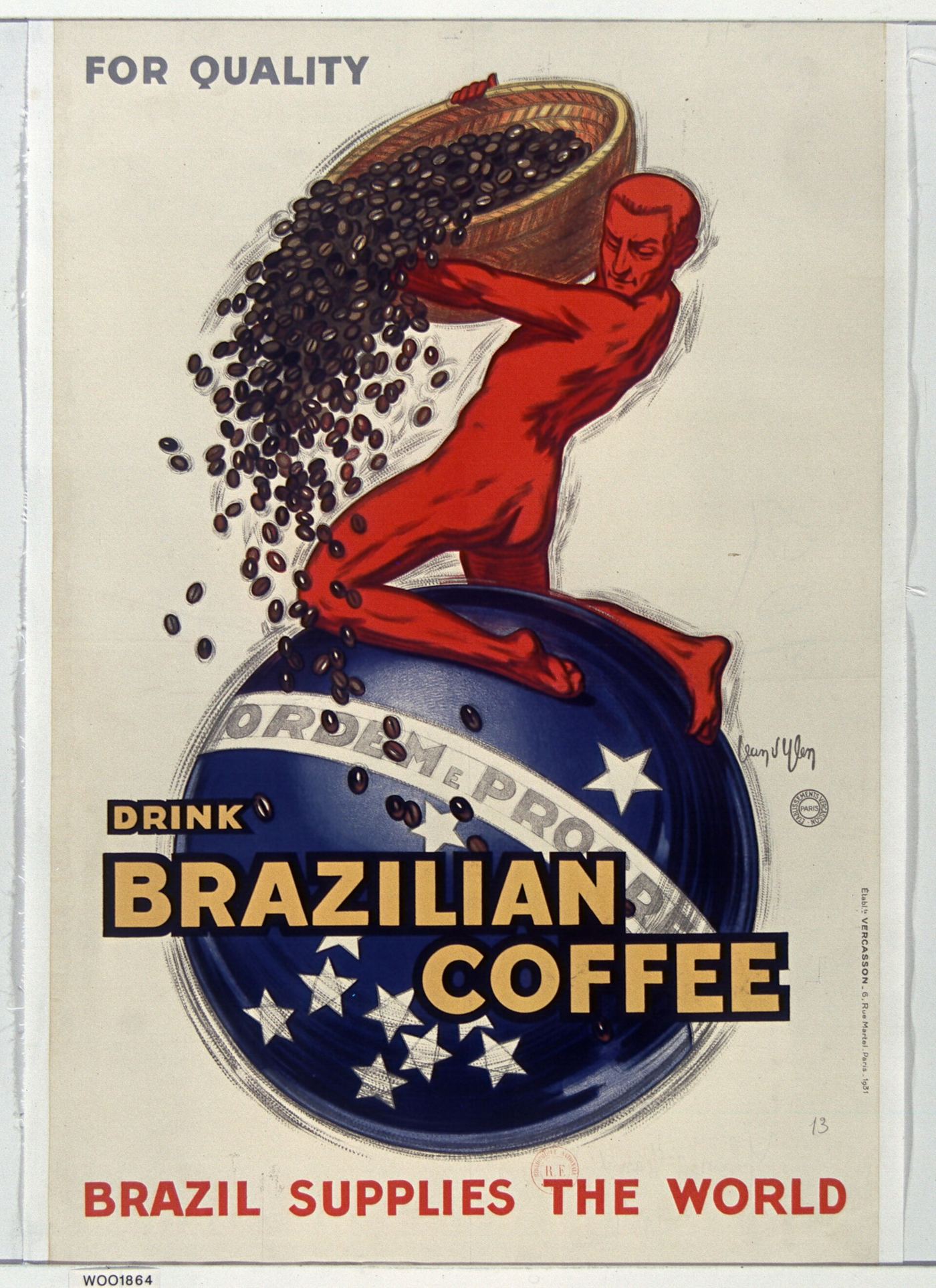
Brazil produces roughly a third of the world’s coffee, and the rolling hills of Minas Gerais are its beating heart — a landscape of red earth and green rows that has supplied the world’s cups for over a century. That landscape is now being redrawn by temperature. As chronicled in our Brazil features, arabica — the delicate, higher-value species — is retreating uphill and southward as lowland heat rises, and the farmers responding best share a strategy: less volume chasing, more value per bean.
The quality turn is visible in the harvest itself. Selective picking, once uneconomical, is spreading as specialty buyers pay premiums that justify the labour; fermentation experiments borrowed from wine-making produce flavour profiles that commodity coffee never aimed at; and regional certifications market Minas Gerais, Cerrado and Sul de Minas the way wine markets Bordeaux. Brazil’s specialty exports have grown even in years when total production dipped, a decoupling farmers describe simply: the world will drink less ordinary coffee from us, and better coffee instead.
Science in the Field
The research establishment is racing alongside. Embrapa, Brazil’s agricultural research corporation, runs breeding programmes for heat- and drought-tolerant varieties and publishes guidance through its research portal; weather stations and soil sensors, once novelties, now time irrigation on mid-sized farms. Robusta — the hardier species once confined to the north — is moving into traditional arabica country, blurring a geography Brazilians learned in school.
A Crop That Carries a Culture
The Next Generation Decides
The belt’s future will be settled by succession as much as by climate. Brazilian farms are family enterprises, and the generation now inheriting them is the most educated in the crop’s history — agronomists and marketers as often as traditional farmers, fluent in export contracts and Instagram alike. It is this generation driving the quality pivot, the direct-trade relationships with roasters abroad, and the farm-stay tourism that lets visitors pick, process and cup in a single weekend. Their question is not whether the land can still grow coffee, but what kind of business the family name will run on it.
The risks are honestly stated in the region: credit remains expensive, roads and ports lag the crop’s ambitions, and climate models sketch futures harsher than the present adaptation. But the direction — value over volume, science over habit, brand over bulk — is the first strategy in a century that does not depend on the weather staying kind. Brazil’s coffee belt has reinvented itself before, from mule trains to mechanised harvests. The reinvention under way is the most deliberate yet.
Coffee is never only a commodity in Brazil; it built railways, filled São Paulo with immigrants’ grandchildren and still flavours the national small talk — the cafezinho offered to every guest and plumber alike. The belt’s reinvention is therefore about more than export figures. It is about whether a defining Brazilian landscape can change its crop without losing its character. On the evidence of the new harvests, it can — one careful, better-paid sack at a time.
