
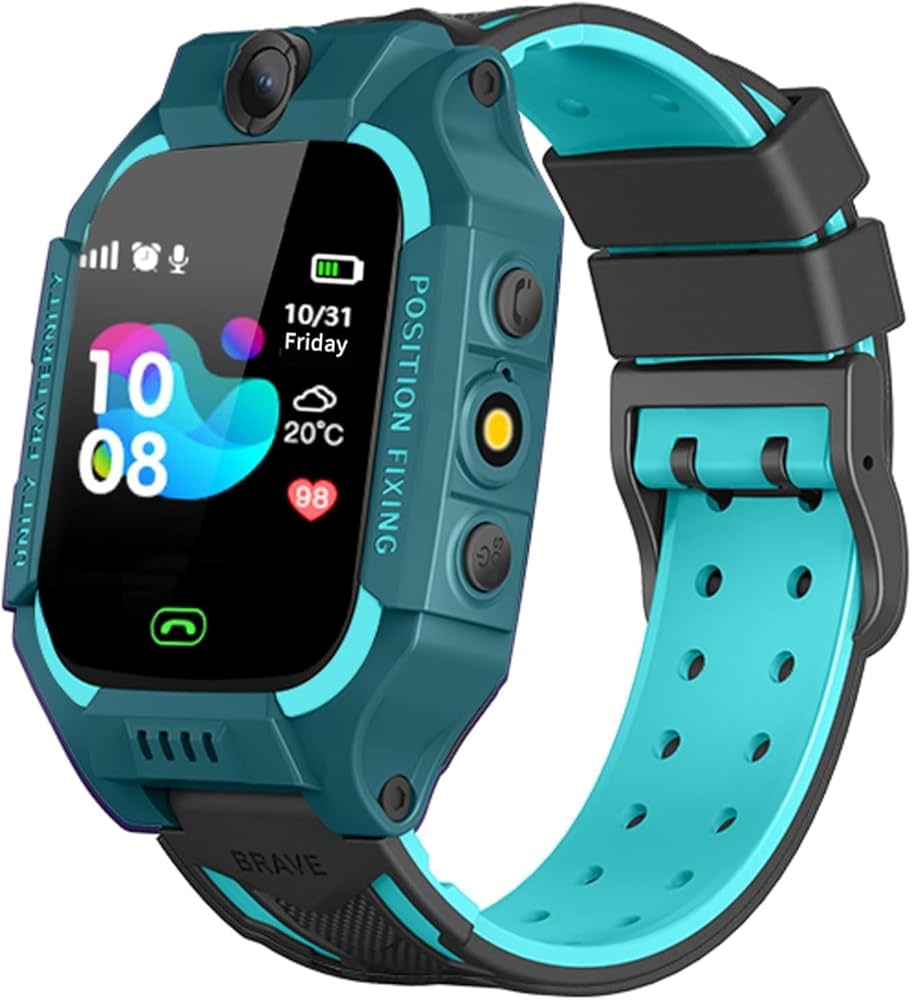
In today’s tech-savvy world, keeping children physically active and mentally engaged is a growing challenge. Parents are often up against the addictive pull of screens, sedentary habits, and overstimulation. But surprisingly, the solution to this problem might also come from technology—children’s activity tracker watch. These modern devices, once only popular among fitness-minded adults, are now capturing the interest of kids by offering fun, interactive ways to stay moving, learning, and energized throughout the day.
Instead of simply telling kids to “go outside and play,” activity tracker watches gently nudge them with challenges, alerts, games, and digital rewards. As a result, they transform daily habits into exciting missions. From step counts to hydration reminders, to bedtime nudges—kids are no longer passive players in their own health. They’re active participants, and they’re enjoying every minute of it.
So, how exactly are children using these mini-wearables to stay engaged? Let’s dive into the fascinating journey of how playtime, learning, and responsibility are now blending through a screen no bigger than a cookie.
A Fun-Sized Blend of Fitness and Function
Modern tracker watches have come a long way from the clunky pedometers of the past. Today’s devices are colorful, durable, and tailor-made for small wrists and short attention spans. These are not just glorified timers. They’re full-fledged activity hubs that monitor steps, heart rate, sleep quality, and even emotional wellness.
These devices are carefully designed to encourage activity—not enforce it. Most offer mini-games and interactive goals that are unlocked through movement. Whether it’s racing to beat yesterday’s step count or earning badges for completing a morning stretch, the idea is to make movement more than a chore. It becomes a source of pride and fun.
And the best part? Children don’t see it as exercise—they see it as a game. They’re constantly engaged because the children’s activity tracker watch speaks their language: playful, curious, and reward-driven.
How Adult Tech Trends Influence Kids’ Wearables
To understand where these kids’ watches get their inspiration, we need to glance at the adult world—specifically trends like smart watch women. Women’s smartwatches, particularly those focused on wellness and lifestyle, are often beautifully designed with built-in features like sleep tracking, heart rate monitoring, and even mindfulness alerts. These devices aim to support well-being, routine, and balance.
Now imagine shrinking that down into something that appeals to a child. It’s the same logic. Just as a smart watch for women might help a mother track her stress levels or hydration, a child’s watch can remind them to drink water, stretch during homework breaks, or take a few deep breaths when overwhelmed. The same goal—holistic wellness—just wrapped in a more colorful, animated package.
In fact, many parents are embracing the idea of wearing smartwatches alongside their children. This creates a bond through shared goals—who walked more today? Who got better sleep? It’s fun. It’s motivating. And it’s keeping everyone in the family a little more connected.
Creating a Sense of Responsibility and Ownership
One of the most powerful ways children stay engaged with activity tracker watches is through the development of responsibility. They’re not just following instructions anymore—they’re setting their own goals and learning to monitor their progress.
For example, a child might set a daily target of 7,000 steps and check their progress throughout the day. If they’re falling behind, the watch might remind them with a vibration or an animated character that cheers them on. That instant feedback loop taps directly into a child’s need for achievement and praise.
What’s really happening here is behavior training—but in the best way. The watch helps children become more mindful of their routines. They start making small decisions that have long-term benefits: taking the stairs instead of the elevator, walking the dog without being asked, or playing tag instead of watching TV.
They’re not just wearing a gadget. They’re wearing motivation.
Encouraging Friendly Competition and Social Play
Children naturally thrive in social environments, and smartwatches are now helping channel that energy in healthy ways. Many brands allow for family accounts or buddy systems where siblings or friends can compete in challenges. These might involve who moves the most in a day or who completes a week of bedtime goals.
This social aspect is key. Kids love showing off their badges or unlocking a level their friend hasn’t reached yet. Friendly competition encourages them to stay active—not because they’re being told to, but because they want to stay on top of their game.
And in a world where so much social interaction now happens digitally, having real-life, movement-based competition adds a fresh and much-needed layer of interaction. It keeps kids grounded in the physical world while still giving them the digital fun they crave.
Making Movement and Routine Part of Their Day
Routine is essential for children, but let’s be honest—it’s often hard to enforce. This is where a wearable tracker shines. It acts like a personal assistant gently guiding the child through their day. Morning alerts for getting ready, afternoon nudges to go out and play, evening reminders to wind down—all without a parent having to constantly remind them.
This type of automation teaches independence. Kids start to anticipate their routines. They remember when it’s time to move, time to eat, or even time to brush their teeth, because their watch helps them build the rhythm.
And routines don’t just improve behavior. They improve sleep, academic performance, and emotional stability. All from something worn on their wrist.
Linking Physical Health to Emotional Well-being
It’s not just about counting steps anymore. Newer activity tracker watches include features that address emotional awareness. For example, if a child is sitting still for too long, the watch might prompt a mini breathing session. Some trackers let kids log their moods using simple faces or emojis. Others offer small guided meditations.
This gentle mental check-in gives children a language for feelings they might otherwise struggle to express. They start learning that emotions, just like activity levels, can be monitored, managed, and understood.
This creates a foundation of emotional intelligence. It shows kids that their body and brain are connected—and that taking care of one supports the other.
Integrating Education Into Wearable Engagement
Some educational activity trackers are also sneaking learning into the mix—without kids even realizing it. From interactive math problems to spelling games, the watch becomes a micro-classroom that delivers knowledge in bite-sized, timed challenges.
This is especially helpful for kids who struggle with focus or motivation in traditional learning settings. The digital platform allows learning to become visual, responsive, and self-paced. And when kids associate their watch with both fun and knowledge, they’re more likely to engage with it on a regular basis.
These aren’t replacements for school—but they’re excellent reinforcements. And in some cases, they ignite a passion for learning that wasn’t there before.
Building Healthier Digital Relationships
Here’s the twist. You might think that giving kids a digital device would increase screen time and tech addiction. But in many cases, the opposite happens. Activity tracker watches help introduce children to tech in a controlled, intentional way.
Unlike smartphones or tablets, these watches don’t offer endless apps or social media. They have one purpose: to support wellness and engagement. And that limitation is exactly what makes them effective.
Children learn that not all tech is for entertainment. Some tech helps you grow, move, and thrive. That distinction is critical in today’s digital age, where the line between helpful and harmful technology is often blurred.
Partnering with Parents for Stronger Results
No tracker works in isolation. The best results come when parents get involved—not as enforcers, but as supporters. Most tracker systems offer parent apps where caregivers can monitor progress, send encouragement, and even set shared goals.
This opens up new ways to connect. A parent might send a message through the watch saying “Great job walking 6,000 steps!” or “Don’t forget your evening stretch!” These tiny touchpoints create a digital hug—a way to stay close even during busy days.
Plus, it shifts the dynamic from command to collaboration. Kids aren’t being told what to do. They’re being cheered on.
Challenges and Considerations
Of course, no technology is perfect. Some kids may get obsessed with numbers. Others might feel discouraged if they miss a goal. That’s where adult guidance is key. The emphasis should always be on progress, not perfection.
It’s also important to choose the right device. Look for watches that are age-appropriate, secure, durable, and user-friendly. Avoid trackers that are too advanced or loaded with unnecessary features that could overwhelm or distract.
And don’t forget about the importance of breaks. Even though these watches promote movement, children still need downtime, screen-free play, and unstructured creativity. The tracker should support the rhythm of the day—not dominate it.
A Glimpse Into the Future of Wearable Play
As technology evolves, the possibilities for activity tracker watches are endless. Future models might include even more personalized wellness suggestions, integration with classroom tools, or real-time coaching based on emotional cues. Some may even incorporate voice assistants, AI-driven feedback, or virtual pets that grow when kids stay active.
But even in their current form, these watches are already transforming how kids interact with health, responsibility, and routine. They’re showing that engagement doesn’t require lectures or punishments. It just needs to be fun, friendly, and a little bit digital.
Final Thoughts
So, how do children use activity tracker watches to stay engaged? The answer is delightfully complex. They use them to play. To learn. To compete. To reflect. To stay active. And—most importantly—to build healthy habits that may last a lifetime.
These tiny wrist companions are more than gadgets. They’re tools of empowerment. They make wellness feel like a game, responsibility feel like freedom, and movement feel like magic.
