
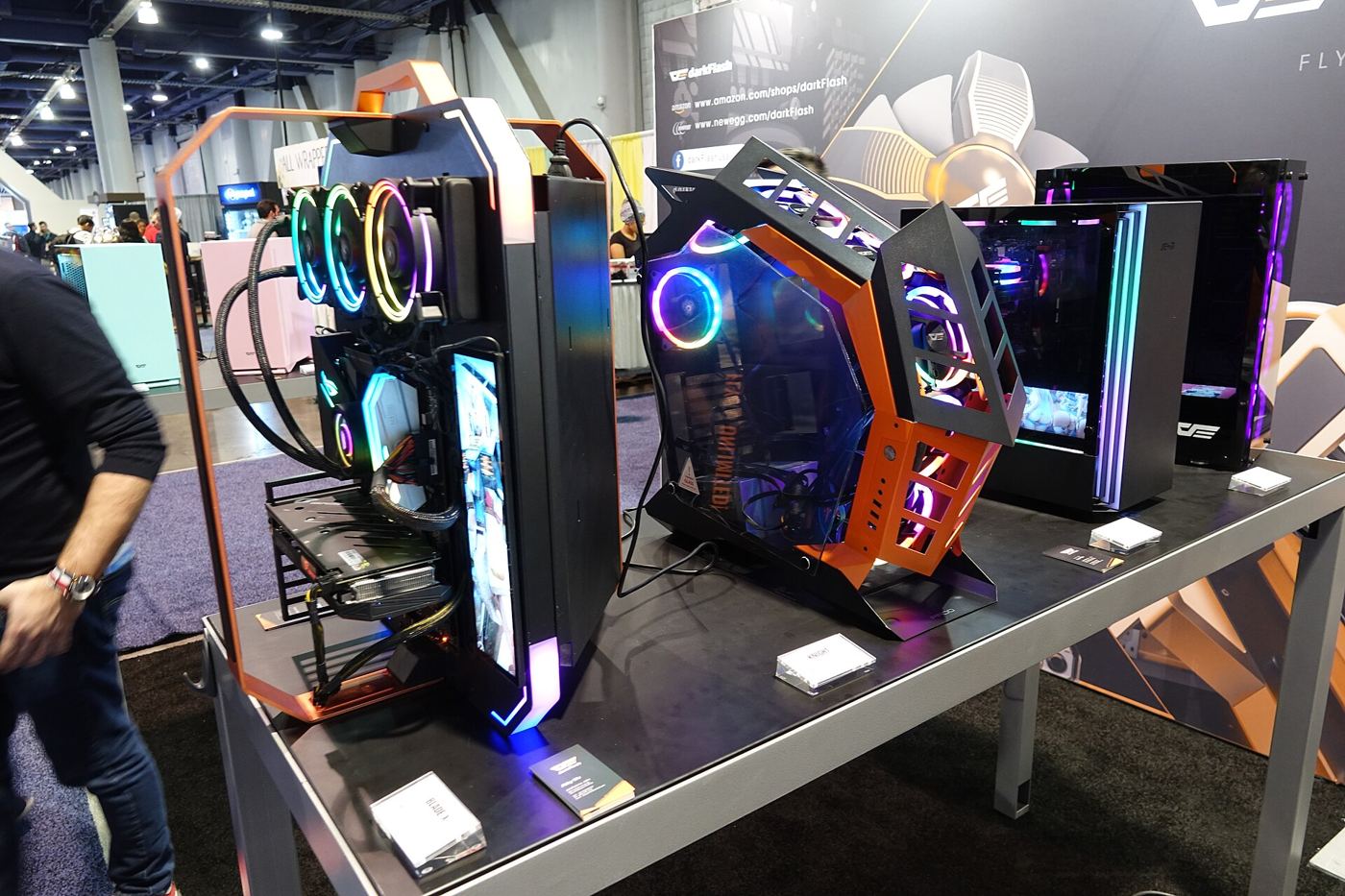
A monitor’s refresh rate, measured in hertz, decides how many times per second it redraws the picture, and for gamers that number matters. A standard office monitor refreshes sixty times a second, but gaming monitors now reach 144, 240 and even 500 times a second, drawing each frame of a fast-moving game with far less blur. In a racing game or a first-person shooter, the extra frames make movement look smoother and help a player spot an opponent a fraction of a second sooner, which can decide a match. High-refresh monitors also reduce the tearing and stuttering that appear when a graphics card and a monitor fall out of step, thanks to adaptive sync technology that matches the two together.
What the Evidence Shows
Choosing a gaming monitor means balancing speed against picture quality and price. The fastest panels often use simpler display technology with weaker colours and narrower viewing angles, while the most beautiful screens may refresh more slowly. Size matters too: a 24-inch screen suits competitive players who sit close and want the whole game in view, while a 27-inch or ultrawide screen suits players who want to be immersed in a detailed world. Buyers should also check the resolution, the response time and whether the monitor supports the adaptive sync system of their graphics card. High-refresh screens are no longer limited to professionals, and as prices have fallen they have become a common upgrade for anyone who plays fast games regularly. Reporting and analysis from sources such as MIT Technology Review track the same developments, and specialists following the high-refresh monitors making fast games smoother say the direction is now consistent across independent lines of evidence.
The Wider Context
The wider context is an industry learning to ship capability and restraint together. Products built around the high-refresh monitors making fast games smoother now launch with safety evaluations, usage data and rollback plans as standard, because enterprise buyers and regulators ask for them in the first meeting. Companies that treated those questions as friction are discovering they have become the purchase criteria.
What Happens Next
What happens next for the high-refresh monitors making fast games smoother depends less on another breakthrough than on the unglamorous work of reliability, pricing and support. The buyers evaluating it now are not enthusiasts; they are operators with budgets and auditors, and their checklists will decide the timeline. On the evidence of the current pilots, the technology has earned the right to be judged by them. You can follow related developments in our coverage of technology.
There is a practical lesson in all of this for readers deciding what to do today. Start with the verified facts, be wary of anyone promising certainty, and prefer reversible steps while the evidence is still developing. Circumstances differ by country, income and personal situation, so general guidance should always be weighed against your own context before you act on it in any significant or lasting way.
