
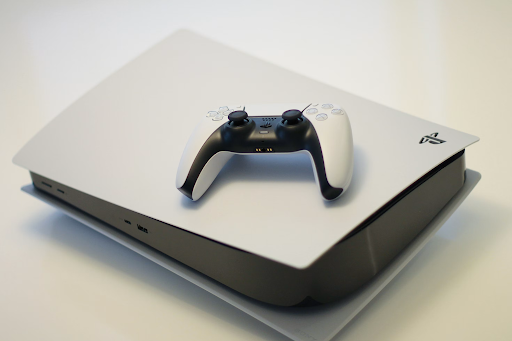
The phrase “console wars” once dominated playground debates and magazine covers. Generations of players argued over plastic shells, exclusive mascots, and processor specs as though hardware brands were sports teams. Winning seemed to mean proving that one box delivered better graphics, better sound, and better bragging rights. Today that energy feels old-fashioned, not because passion for games has faded, but because the landscape has quietly shifted.
Plenty of signs point to the change. Subscription libraries, cross-play support, and cloud streaming encourage exploration rather than territorial defense. Even competitive communities built around platforms such as x3bet now emphasize shared events over hardware pride. The point is less about which console sits under a television and more about how quickly a player can start a match with friends who may own something entirely different.
From Closed Gardens To Connected Networks
Exclusive cartridges and discs once dictated the limits of a gaming diet. A single machine decided which adventures were available, and brand loyalty grew out of scarcity. Modern publishing strategies show a different logic. Studios release major titles on multiple consoles, PC storefronts, and even mobile services within months, sometimes on day one. Network infrastructure bridges the gap, letting progress carry across devices and save files follow the player to any screen in the house.
Online identity has migrated away from individual machines as well. Progress, purchases, and friend lists live in cloud accounts that load instantly on new hardware. The console itself becomes a temporary vessel rather than a permanent home.
Forces That Quieted The Hardware Debate
- Cross-Play Expectations
Competitive shooters, sports sims, and co-op adventures now launch with cross-platform matchmaking by default, making separate pools feel inconvenient. - Subscription Blends
Services bundle indie gems, classics, and blockbusters in rotating catalogs, removing anxiety about missing out due to platform-locked wallets. - Cloud Streaming Trials
Short demo sessions and remote play features lower the barrier to sampling a title without installing tens of gigabytes locally. - Peripheral Convergence
Headsets, controllers, and fight sticks often connect through USB-C or Bluetooth, erasing sensory cues that once reminded users of brand allegiance.
These trends allow games to travel more freely than ever, so debates about which logo sits on a startup screen lose emotional weight.
Community Over Console
Communities naturally follow shared interests, not circuit boards. Speedrunners dissect frame data on social channels that mix PC users and handheld devotees. Esports organizers pick tournament platforms based on latency and logistics, not loyalty. Charity marathons stream from hybrid setups that swap between capture cards and cloud instances without apology.
Even single-player experiences gain life from social spaces where spoilers, theories, and fan art cross hardware lines. Discussion shapes culture more than purchase receipts, and culture rarely cares which chip handled the polygon math.
The Economics Of Inclusivity
Publishers rarely benefit from limiting an audience. Development costs climb each year, pushing large studios to recover budgets through broad reach. Independent teams, meanwhile, rely on maximum storefront coverage to offset marketing gaps. Platform holders recognize this pressure and negotiate timed exclusives rather than permanent walls.
Hardware sales still matter, yet the business model has expanded. A console can become a gateway to monthly services, accessories, and digital currency. In turn, that ecosystem travels with the customer across generations, so long-term retention outranks short-term rivalry.
Signs The Future Ignores Old Boundaries
- Unified Friend Lists
Social overlays show contacts from multiple platforms inside a single dashboard, blending once-separate circles. - Save Sync Standards
Cloud saves migrate between handheld, console, and PC versions of the same game, encouraging experimentation without progress loss. - Brand-Agnostic Controllers
Firmware updates allow familiar pads to operate on competing machines, supported officially rather than through workarounds. - Mobile Companion Apps
Inventory management, map editing, and voice chat run on phones, letting users step away from screens while staying connected.
Together these cues suggest a world where hardware serves as one of many doors into a larger, fluid network.
Why Nostalgia Still Lingers But Matters Less
Nostalgia keeps old debates alive in meme culture and collector forums, and limited stock runs can briefly reignite competitive purchasing. Yet those sparks rarely last beyond headline cycles. Once launch windows close, libraries overlap, prices stabilize, and community events settle into routines that prioritize playtime over platform.
Younger players often grow up with multi-device households, bouncing between a streaming stick on the bus, a console in the living room, and a laptop at a friend’s house. Loyalty forms around franchises, creators, and social groups, not plastic enclosures. That perspective shapes future purchasing habits and further dilutes the power of the old war banners.
Conclusion: A Healthy Shift Toward Accessibility
The fading relevance of console wars does not remove excitement from hardware launches; it simply reframes priorities. Performance gains, unique form factors, and innovative controllers still inspire curiosity, but these features act as enhancements rather than dividing lines. A rising generation of gamers looks for seamless entry, broad compatibility, and inclusive communities.
Hardware brands now compete by supporting openness rather than exclusivity, and that competition benefits everyone. Players choose where to sit, not which side to fight for. Developers gain larger audiences without rewriting code bases endlessly. Communities stay intact even when friends upgrade at different times.
The scoreboard that once crowned a single winner each generation now tracks a different metric: how effectively each platform invites participation. In that race the true victor is anyone who loves to play, regardless of the badge glowing on the power light.
