
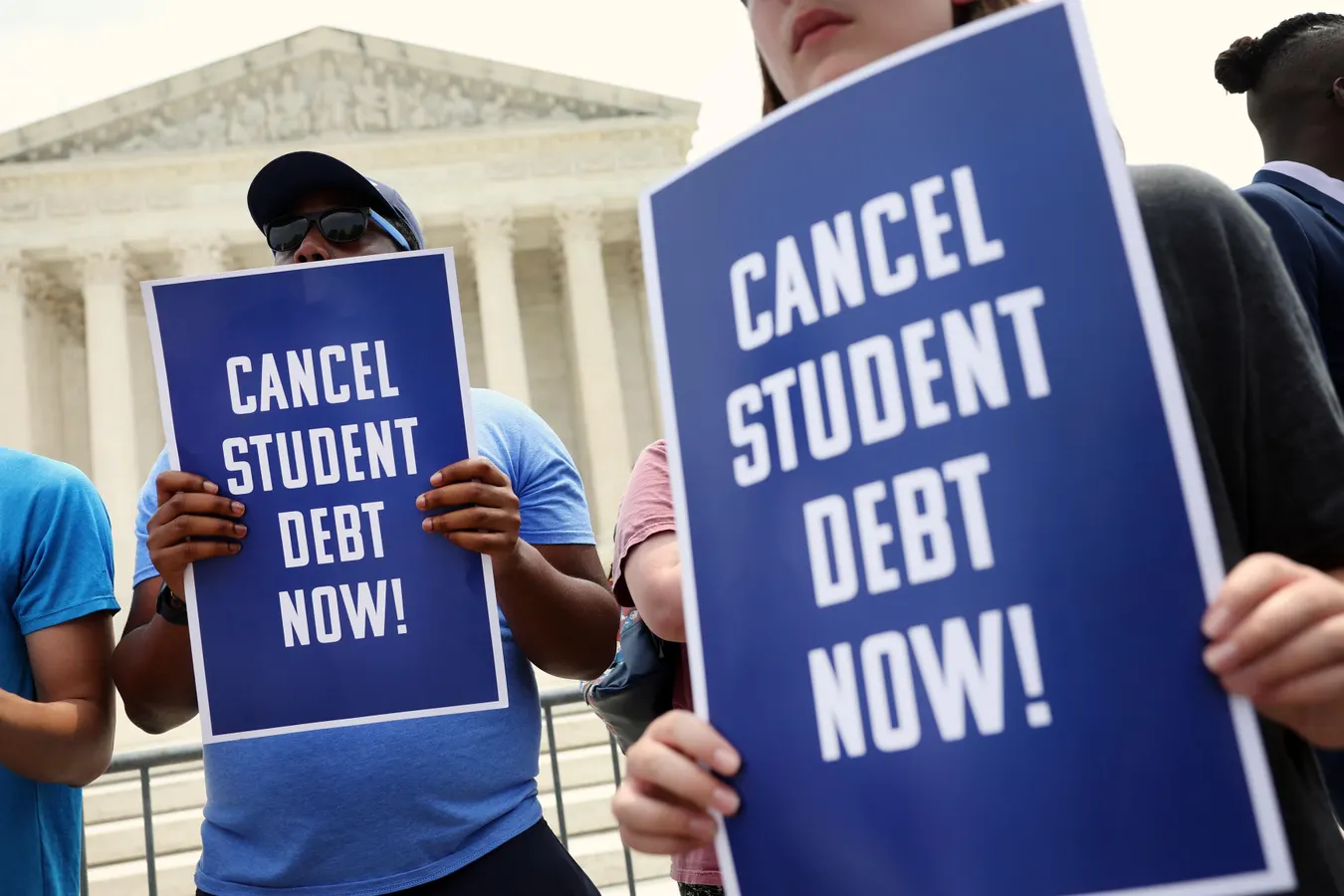
Getting rid of student loans through the courts may be one of the most difficult ways to exit debt, many people believe. There are stricter rules for student loans than for many other kinds when it comes to getting rid of debt. The courts have a rigorous process for determining who receives assistance, and it does not extend to general financial distress. To better understand your options and next steps if you’re hoping to learn more here about how courts would handle cases of financial hardship, read this.
The Focus On Undue Hardship
At the heart of most discharge reviews is the concept of “undue hardship.” This standard requires borrowers to prove that repaying their student debts would lead to serious and long-term financial hardships.
The courts consider more than just immediate issues and determine whether such problems are likely to persist. This essentially means that individuals have to demonstrate that they don’t believe their finances will ever improve in a way that would permit them to repay the loan. This is a key aspect of the decision-making process, given the focus on longer-term effects.
Examining Income And Expenses In Detail
The court scrutinizes the income, living expenses, and overall debts of a borrower to determine whether it is able to grant such a loan. It’s not just a numbers game, and this review is about so much more.
The point is to see if the person could actually afford a basic living and make loan payments. If repaying the debt would jeopardize basic needs, this strengthens the case for release. In order to convey this information, you have to hold perfectly clear and complete financial records.
Assessing Good Faith Efforts To Repay
And it’s also good to know if that user has actually attempted to repay their loans. The courts want to see evidence of work and responsibility.
That could involve putting the bills in order and paying them on time whenever possible, exploring other payment plans, or speaking with lenders. Demonstrating a track record of attempts to avoid the behavior being addressed indicates that the discharge request was not an attempt to evade responsibility but a response to something which, although unfortunate and disruptive, could not be avoided.
Considering Long-Term Financial Outlook
The courts also consider the borrower’s future financial prospects. That encompasses details such as age, education, job experience, and potential earnings.
If there’s a reasonable likelihood that the person’s finances are better, then the courts may be less inclined to release. In contrast, limited earning potential or persistent issues can strengthen the argument for relief. This forward-looking assessment is a key component of the final determination.
Reviewing Medical And Personal Circumstances
Health issues and personal circumstances can impact how the review takes place. Chronic illnesses, challenges, or caring for others may make it difficult to earn money.
Courts consider how these factors will impact the security of the economy, both current and future. It aids the case by providing a fuller picture of the borrower’s position, although it is only useful in this way if clear evidence is provided to show that these events occurred.
Evaluating Consistency And Credibility
So it is very critical that all information you send out is coherent. Courts inspect statements, papers, and evidence very closely to ensure all is set perfectly.
Any discrepancies or unclear details can create doubt and undermine a case. While the general case for discharge, it is important to pull this information together in a way that makes sense and builds credibility.
The Role Of Legal Standards And Precedents
When courts issue rulings, they follow established standards of law and consider precedent. These serve as useful examples to punch holes into how the cases are decided and to ensure that decisions remain consistent.
Understanding these norms can help borrowers ground their arguments in what judges are looking for. It also demonstrates how other similar cases have been pursued in the past, which helps support a strong argument.
Balancing Fairness And Responsibility
They strive to find a middle ground between justice and accountability. They get that people are really struggling right now, but they also wonder what it will mean for society as a whole to wipe out student loan debt.
This ensures that decisions are considered carefully and supported by solid evidence. Our process, at a higher level, is supposed to assist those who actually need it while maintaining the purity of the system.
Conclusion
The process of reviewing requests to cancel student loans is a methodical and careful one, considering many factors. In determining whether an individual is subject to undue hardship, courts consider the overall circumstances of the individual, including attempts at satisfying the debt, his or her financial condition, and future options. Understanding how these evaluations work helps people prepare their cases better and make stronger arguments. It may be difficult to get a discharge, but the likelihood of a positive outcome is better if your case is adequately documented and presented.
