
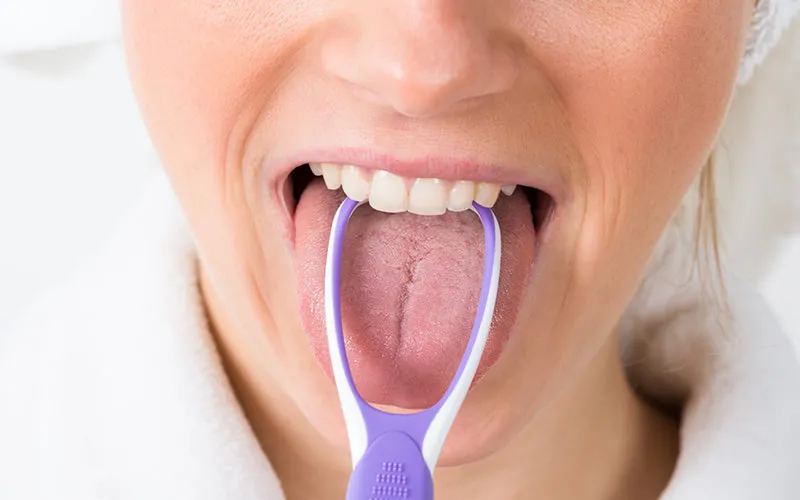
Maintaining a clean and healthy mouth involves more than brushing and flossing. One often-overlooked aspect of oral hygiene is tongue cleaning. The tongue can harbor bacteria, food particles, and dead cells, which can contribute to bad breath, plaque formation, and even gum problems. Tongue scraping is a simple, effective way to remove this buildup. For beginners, learning the right techniques and choosing the appropriate tools is essential for comfort, safety, and maximum benefits.
Why Tongue Scraping Matters
The tongue’s surface is covered in small bumps called papillae, which trap bacteria and debris. Over time, this accumulation can lead to:
- Bad breath (halitosis): Bacteria on the tongue release sulfur compounds that cause unpleasant odors.
- Plaque buildup: Bacteria from the tongue can transfer to teeth and gums, increasing the risk of cavities and gum disease.
- Reduced taste sensation: A coated tongue can dull taste buds, making food less enjoyable.
Tongue scraping removes these impurities efficiently, complementing brushing and flossing, and providing a cleaner, fresher mouth.
Choosing the Right Tongue Scraper
For beginners, selecting a comfortable and effective tool is the first step. Tongue scrapers come in various materials and designs:
- Stainless Steel Scrapers: Durable, long-lasting, and easy to clean. They provide firm pressure for thorough scraping but may feel rigid for first-time users.
- Copper Scrapers: Naturally antibacterial and gentle on the tongue. Copper scrapers are eco-friendly and highly effective for beginners.
- Plastic or Silicone Scrapers: Flexible, lightweight, and beginner-friendly. These are ideal for those with sensitive tongues or children learning to scrape.
- Contoured or Ergonomic Designs: Shaped to fit the natural curve of the tongue, making it easier to reach the back and sides comfortably.
Beginners may prefer plastic or silicone scrapers to start with, gradually transitioning to firmer metal scrapers if desired.
Step-by-Step Tongue Scraping Technique
Using the correct technique is crucial for comfort and effectiveness:
- Start Gently: Place the scraper at the back of the tongue. Beginners may find the back challenging, so start midway and gradually move further back as comfort increases.
- Pull Forward: Gently pull the scraper toward the tip of the tongue, removing bacteria and debris. Avoid pressing too hard to prevent irritation.
- Rinse and Repeat: Rinse the scraper under running water after each pass. Repeat two to three times until the tongue feels clean.
- Focus on the Entire Surface: Scrape the center, sides, and back of the tongue, where bacteria and buildup tend to accumulate.
- Incorporate Daily: Make tongue scraping part of your morning routine for best results. Some people prefer to scrape before brushing, while others do it afterward; both are effective.
Additional Tips for Beginners
- Start Slowly: For the first few days, focus on gentle scraping and short sessions. Gradually increase coverage as your comfort level grows.
- Stay Consistent: Daily scraping is key to maintaining fresh breath and reducing bacterial buildup.
- Use Water or Mouthwash: Rinsing the tongue after scraping can further reduce bacteria and leave a cleaner feeling.
- Avoid Overdoing It: Scraping too aggressively can irritate the tongue. Gentle, consistent pressure is more effective than forceful scraping.
- Monitor for Discomfort: Some redness or mild irritation may occur initially, but persistent pain or sores indicate you should adjust technique or tool choice.
Benefits of Regular Tongue Scraping
Regular tongue scraping offers numerous benefits, especially for beginners:
- Fresher Breath: Removes the source of odor-causing bacteria.
- Improved Oral Hygiene: Reduces bacterial load, lowering the risk of plaque and gum disease.
- Enhanced Taste: A clean tongue improves the ability to taste food.
- Boosted Confidence: Fresh breath and a clean mouth enhance self-confidence in social interactions.
Conclusion
Tongue scraping is a simple yet powerful addition to any oral hygiene routine. For beginners, choosing the right scraper and mastering proper techniques is essential for comfort, safety, and effectiveness. Whether you start with a flexible silicone scraper or a sturdy stainless steel model, gentle daily scraping can lead to fresher breath, cleaner teeth and gums, and better overall oral health.
By following these tools and techniques, beginners can build a consistent habit that transforms their oral care routine and contributes to a healthier, fresher mouth every day.
