
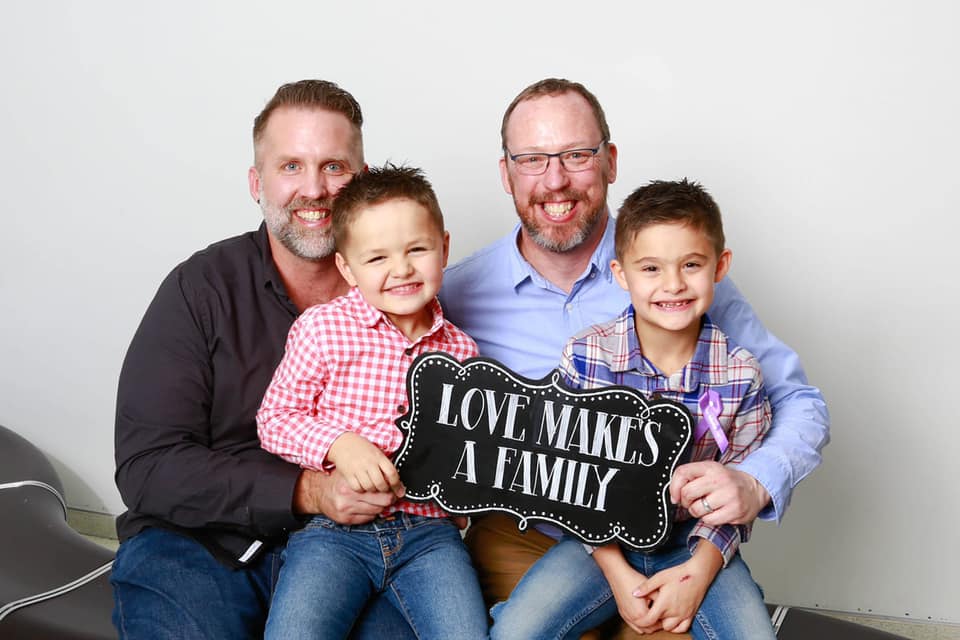
Adoption is often viewed through a lens of complexity, yet at its core, it embodies a profound act of compassion and love. For many birth parents, the decision to place a child for adoption arises from a deep-seated desire to provide the best possible future for their child, even if that means letting go. This choice is not made lightly; it is often the result of careful consideration of personal circumstances, emotional readiness, and the recognition of the child’s needs.
The act of adoption can be seen as a selfless gift, where the birth parent prioritizes the well-being of their child above their own immediate desires or societal expectations. Moreover, adoption serves as a bridge between families, creating new connections and opportunities. It allows individuals or couples who may be unable to conceive to experience the joys of parenthood.
This dynamic can foster a sense of community and shared purpose among all parties involved. The birth parent’s choice to place their child for adoption can lead to a nurturing environment where the child is raised in a loving home, surrounded by supportive caregivers. In this way, adoption transcends mere legalities; it becomes a transformative journey that reshapes lives and builds new familial bonds.
Exploring the Benefits of Adoption for Birth Parents
For birth parents, the decision to pursue adoption can yield numerous benefits that extend beyond the immediate act of placing a child with another family. One significant advantage is the opportunity for personal growth and healing. Many birth parents find that the process of considering adoption allows them to confront their own feelings and circumstances, leading to a deeper understanding of themselves and their aspirations.
This introspection can be empowering, as it encourages individuals to take control of their life narratives and make choices that align with their values and goals. Additionally, adoption can provide birth parents with peace of mind regarding their child’s future. Knowing that their child will be raised in a stable and loving environment can alleviate feelings of guilt or anxiety that may accompany an unplanned pregnancy.
Many adoption agencies offer resources and support for birth parents throughout the child custody process, including counseling services that help them navigate their emotions and prepare for the transition. This support network can be invaluable, allowing birth parents to feel less isolated in their decision-making journey and more connected to a community that understands their unique challenges.
Navigating the Adoption Process
The adoption process can be intricate and multifaceted, requiring careful navigation through legal, emotional, and logistical aspects. Initially, prospective birth parents must educate themselves about the various types of adoption available—such as domestic, international, or foster care adoption—and determine which path aligns best with their circumstances. This exploration often involves researching different agencies, understanding state laws regarding adoption, and considering the implications of each option.
Once a decision is made, the process typically involves several key steps, including creating a birth parent profile, meeting with social workers, and attending counseling sessions. Birth parents may also need to undergo medical evaluations and provide background information to ensure that they are making informed decisions. Throughout this journey, open communication with adoption professionals is crucial.
These experts can guide birth parents through the complexities of legal paperwork and help them understand their rights and responsibilities. By fostering a collaborative relationship with adoption agencies, birth parents can feel more empowered and informed as they navigate this life-altering decision.
Choosing the Right Adoption Agency
Selecting an adoption agency is one of the most critical steps in the adoption process, as it can significantly influence the experience for both birth parents and adoptive families. When evaluating potential agencies, it is essential to consider factors such as reputation, services offered, and alignment with personal values. Some agencies specialize in specific types of adoption or cater to particular demographics, so finding one that resonates with individual needs is paramount.
Moreover, prospective birth parents should seek agencies that prioritize transparency and support throughout the process. This includes understanding how the agency handles matching children with families, what kind of post-adoption support – such as an allied health assistant – is available, and how they facilitate communication between birth parents and adoptive families if desired. Engaging in conversations with agency representatives can provide valuable insights into their philosophies and practices.
Additionally, reading testimonials from other birth parents who have worked with the agency can offer a clearer picture of what to expect during this significant journey.
The distinction between open and closed adoption is a pivotal consideration for birth parents as they navigate their options. In an open adoption arrangement, there is ongoing communication between birth parents and adoptive families. This may include regular updates about the child’s development, scheduled visits, or even shared holidays.
Open adoptions can foster a sense of connection and reassurance for birth parents, allowing them to maintain a relationship with their child while still providing them with a stable home environment. Conversely, closed adoptions involve no contact or communication between birth parents and adoptive families after the placement occurs. In this scenario, birth parents may receive limited information about their child’s well-being but do not have direct involvement in their lives.
While some birth parents may find comfort in the anonymity of closed adoptions, others may experience feelings of loss or uncertainty about their child’s future. Ultimately, the choice between open and closed adoption should be made based on individual preferences and circumstances, taking into account what feels right for both the birth parent and the child.
Considering the Well-being of the Child
Empowering Birth Parents through Family Selection
Many birth parents find solace in knowing that they have played an active role in selecting a family that aligns with their hopes for their child’s future. Furthermore, understanding the long-term implications of adoption on a child’s identity is crucial.
The Importance of Open Communication
Children adopted at a young age may grapple with questions about their origins as they grow older. Birth parents should consider how they can contribute positively to their child’s narrative by providing information about their background or cultural heritage if desired.
Creating a Supportive Environment
This awareness can help create a more supportive environment for children as they navigate their own feelings about adoption throughout different stages of life.
Coping with the Emotional Impact of Adoption
The emotional landscape surrounding adoption is often complex and multifaceted for all parties involved. Birth parents may experience a range of feelings from grief and loss to relief and hope as they navigate their decision to place a child for adoption. It is essential for them to acknowledge these emotions rather than suppress them; doing so can lead to healthier coping mechanisms in the long run.
Engaging in counseling or support groups specifically tailored for birth parents can provide an outlet for sharing experiences and receiving validation from others who have walked similar paths. Additionally, adoptive families also face emotional challenges as they integrate an adopted child into their lives. They may grapple with feelings of inadequacy or fear about how to best support their child’s emotional needs while honoring their birth family’s legacy.
Open communication within adoptive families about feelings related to adoption can foster resilience and understanding among all members involved. By creating an environment where emotions are openly discussed, both birth parents and adoptive families can work towards healing and acceptance.
Embracing the Future: Life After Adoption
Life after adoption presents new opportunities for growth and connection for both birth parents and adoptive families. For many birth parents, embracing this new chapter involves finding ways to honor their decision while also moving forward with their lives. This might include pursuing education or career goals that were previously set aside due to unexpected circumstances surrounding pregnancy.
Engaging in activities that promote personal fulfillment can help birth parents cultivate a sense of identity beyond their role in the adoption process. For adoptive families, life after adoption often involves navigating the complexities of integrating an adopted child into their home while fostering an environment of love and acceptance. Establishing traditions that honor both the child’s heritage and their new family dynamics can create a sense of belonging for everyone involved.
Additionally, maintaining open lines of communication about adoption within the family can help children feel secure in their identity while also fostering connections with their birth family if applicable. In conclusion, while adoption is undoubtedly a challenging journey filled with emotional highs and lows, it ultimately represents an act of love that transcends traditional family structures. By understanding its nuances—from navigating the process to considering the well-being of all involved—birth parents can make informed decisions that reflect compassion for themselves and their children alike.
